
Daytrana (Methylphenidate Transdermal System): Uses, Dosage, Side Effects and Safety Information
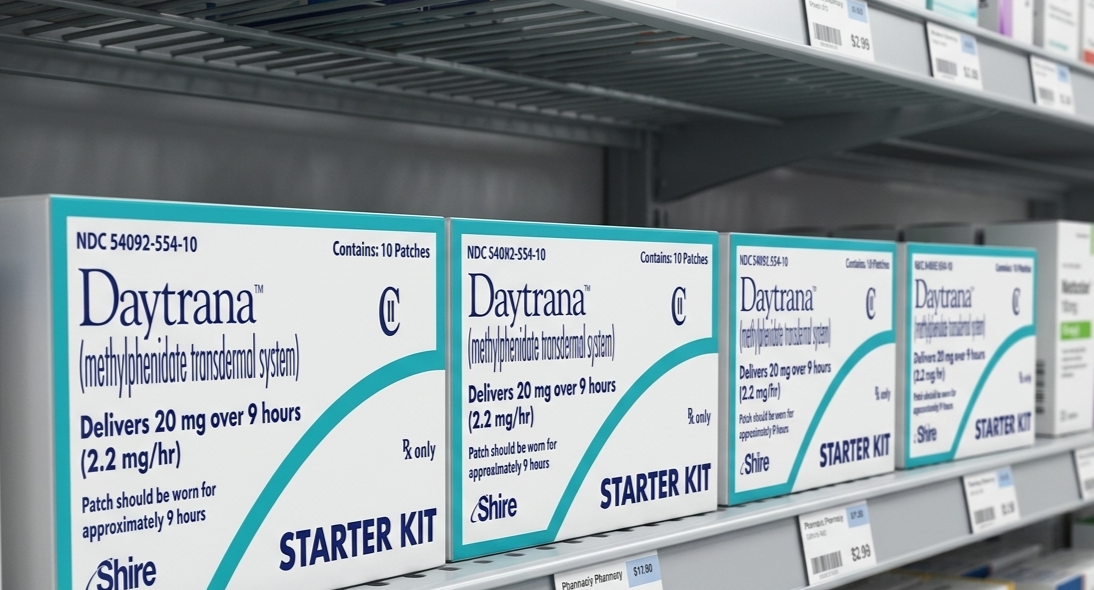
Daytrana is a prescription medication used primarily to treat Attention Deficit Hyperactivity Disorder (ADHD). It contains methylphenidate and is delivered through a transdermal patch applied directly to the skin. This delivery method provides an alternative to oral stimulant medications for appropriate patients.
Unlike tablets or capsules, Daytrana delivers methylphenidate through the skin and into the bloodstream. The medication can help improve attention, concentration, and behavioral control while reducing symptoms associated with ADHD.
What Is Daytrana?
Daytrana is the brand name for a methylphenidate transdermal system. It belongs to a group of medicines known as central nervous system stimulants.
The medication is supplied as a patch applied to the skin. Methylphenidate is gradually absorbed while the patch is worn, allowing it to enter the bloodstream and produce its therapeutic effects. Daytrana is a controlled prescription medication because methylphenidate has potential for abuse, misuse, and dependence.
What Is Daytrana Used For?
Daytrana is used primarily for the treatment of Attention Deficit Hyperactivity Disorder. Appropriate treatment can help manage symptoms that interfere with concentration, organization, behavior, and daily activities.
ADHD symptoms that may improve with treatment include:
- Difficulty paying attention
- Poor concentration
- Impulsivity
- Hyperactivity
- Difficulty completing tasks
- Problems with organization
- Difficulty controlling behavior
Treatment is generally used as part of a comprehensive ADHD treatment plan that may also include behavioral, educational, psychological, or other supportive interventions.
How Does It Work?
Daytrana contains methylphenidate, a central nervous system stimulant. Methylphenidate primarily works by reducing the reuptake of dopamine and norepinephrine in the brain.
These neurotransmitters play important roles in attention, concentration, motivation, and behavioral regulation. By increasing their availability in certain areas of the brain, the medication can help improve attention and reduce impulsive and hyperactive behavior in people with ADHD.
The response to this treatment varies between individuals, so healthcare professionals may adjust treatment according to symptom control, side effects, and overall response.
How Is Daytrana Used?
The patch is applied to the skin rather than swallowed like an oral medication.
It is generally applied once daily to a clean, dry area of the hip. It should be applied according to product instructions and worn for the prescribed amount of time.
One feature of the transdermal system is that medication exposure can be influenced by how long the patch is worn. The patch should not be cut, damaged, chewed, or altered.
Patients should use the medication exactly as prescribed and should not extend the wearing time to increase its effects.
Dosage and Strengths
The medication is available in different patch strengths. The dosage is based on the amount of methylphenidate delivered over time and should not be directly compared with the milligram strength of an oral methylphenidate tablet.
Treatment is generally started at an appropriate strength and adjusted according to the patient’s response and tolerability.
A healthcare professional may adjust the patch strength or wearing time depending on how well ADHD symptoms are controlled and whether side effects occur.
Patients should never change the strength, frequency, or wearing time without medical advice.
Important Application Instructions
Proper application is important for effective treatment.
Before applying the patch:
- Make sure the skin is clean and dry.
- Do not apply it to irritated, damaged, or oily skin.
- Apply the patch according to the manufacturer’s instructions.
- Press it firmly against the skin.
- Wash your hands after applying the patch.
The application site should be changed regularly according to product instructions. Rotating sites can help reduce the risk of persistent skin irritation.
Do not apply the medication to skin treated with creams, lotions, oils, or other products unless specifically instructed by a healthcare professional.
Common Side Effects
Like other stimulant medications, Daytrana can cause side effects. Their type and severity can vary from person to person.
Possible side effects include:
- Decreased appetite
- Weight loss
- Nausea
- Stomach pain
- Headache
- Difficulty sleeping
- Nervousness
- Irritability
- Mood changes
- Increased heart rate
- Increased blood pressure
- Skin irritation at the application site
Because the medication is delivered through the skin, application-site reactions are particularly relevant.
Skin Reactions
Skin irritation is one of the side effects associated with the transdermal delivery system.
Some people may experience:
- Redness
- Itching
- Burning
- Irritation
- Rash
- Discomfort at the application site
Mild irritation may occur after removing the patch. Severe, persistent, or unusual skin reactions should be reported to a healthcare professional.
Patients should not apply the medication to damaged, irritated, or otherwise unsuitable areas of skin.
Serious Side Effects
Serious adverse effects are uncommon but can occur with stimulant medications.
Medical attention should be sought if severe symptoms develop, including:
- Chest pain
- Difficulty breathing
- Fainting
- Severe or unusual changes in heartbeat
- Severe agitation
- Hallucinations
- Manic or psychotic symptoms
- Severe allergic reactions
- Significant circulation problems affecting the fingers or toes
- Seizures
- Prolonged or painful erections
Any serious or unexpected reaction while using the medication should be evaluated by a healthcare professional.
Appetite and Weight
Daytrana may decrease appetite. Reduced appetite can sometimes lead to weight loss, particularly when treatment continues for an extended period.
Children and adolescents receiving stimulant medication may have their height and weight monitored regularly to make sure they continue to grow appropriately.
If significant weight loss or persistent loss of appetite occurs, the patient’s healthcare professional should be informed.
Sleep
The medication can cause insomnia or difficulty falling asleep.
Because the patch continues delivering methylphenidate while it is worn, the timing of application and removal is important. Patients should follow the prescribed wearing schedule.
The patch should not be worn longer than recommended in an attempt to increase or prolong its effects.
Cardiovascular Effects
Methylphenidate can increase heart rate and blood pressure.
People with cardiovascular disease, significant heart abnormalities, or high blood pressure may require additional evaluation before starting treatment.
Blood pressure and heart rate may also be monitored during treatment.
Patients should inform their healthcare professional about any history of heart disease, fainting, high blood pressure, or other cardiovascular problems.
Mental Health
Stimulant medications can sometimes cause or worsen psychiatric symptoms.
In susceptible individuals, methylphenidate may be associated with significant mood or behavioral changes, hallucinations, mania, or other psychiatric symptoms.
Patients and caregivers should report significant changes in mood, behavior, thoughts, or perception to a healthcare professional.
Abuse, Misuse and Dependence
Daytrana contains methylphenidate, a stimulant with potential for abuse, misuse, and dependence.
The medication should only be used by the person for whom it was prescribed. It should never be shared with another person, even if they have similar ADHD symptoms.
Patients should not attempt to extract, alter, chew, damage, or otherwise misuse the medication contained in the patch.
Used patches should be disposed of carefully according to product instructions because they may still contain medication after removal.
Drug Interactions
Daytrana can interact with other medications.
One particularly important interaction involves monoamine oxidase inhibitors, also known as MAOIs. The medication should not generally be used together with an MAOI or within 14 days after stopping an MAOI because of the potential for a dangerous increase in blood pressure.
Patients should tell their doctor or pharmacist about all medications they take, including:
- Prescription medications
- Over-the-counter medicines
- Vitamins
- Herbal products
- Dietary supplements
- Other stimulant medications
Who Should Not Use It?
Daytrana should not be used by people with a known hypersensitivity or serious allergic reaction to methylphenidate or any component of the product.
It should also not generally be used with MAO inhibitors during the specified waiting period.
Before starting treatment, a healthcare professional should be informed if the patient has a history of:
- Heart disease
- High blood pressure
- Glaucoma
- Seizures
- Mental health conditions
- Tics or Tourette syndrome
- Circulation problems
- Skin sensitivity
- Previous problems with stimulant misuse
The healthcare professional can determine whether treatment is appropriate and what monitoring may be necessary.
Pregnancy and Breastfeeding
People who are pregnant, planning to become pregnant, or breastfeeding should discuss Daytrana use with their healthcare professional.
A doctor can evaluate the potential benefits and risks and determine the most appropriate treatment option.
Patients should not make changes to their medication during pregnancy or breastfeeding without first discussing them with a healthcare professional.
Storage and Disposal
Daytrana should be stored according to the product instructions.
Because it contains a controlled stimulant medication, it should be kept securely and away from people who could misuse it.
Used and unused patches should be handled and disposed of according to the manufacturer’s instructions. Used patches may still contain medication, making proper disposal important.
Daytrana vs Oral Methylphenidate
The primary difference between Daytrana and oral methylphenidate products is the method of medication delivery.
The transdermal patch delivers methylphenidate through the skin, while oral methylphenidate products are swallowed and absorbed through the digestive system.
The transdermal delivery system provides healthcare professionals with additional flexibility in controlling medication exposure by adjusting when the patch is applied and removed.
The dose should not be directly compared with the milligram dose of an oral methylphenidate product without medical guidance.
Frequently Asked Questions
What is Daytrana?
Daytrana is a prescription transdermal patch containing methylphenidate. It is primarily used to treat ADHD and help manage symptoms such as difficulty concentrating, impulsivity, and hyperactivity.
What is Daytrana used for?
It is used to help manage ADHD symptoms, including difficulty paying attention, impulsivity, hyperactivity, and problems with concentration.
Is it a stimulant?
Yes. It contains methylphenidate, which is a central nervous system stimulant.
How is Daytrana taken?
It is not swallowed. The medication is applied to the skin as a transdermal patch according to prescribed instructions.
Can it cause skin irritation?
Yes. Skin redness, itching, irritation, burning, or discomfort can occur at the application site.
Can it affect appetite?
Yes. Decreased appetite is a possible side effect and may result in weight loss.
Can it cause insomnia?
Yes. The medication may cause difficulty sleeping, particularly if the patch is worn later or for longer than recommended.
Is it addictive?
Daytrana contains methylphenidate, which has potential for abuse, misuse, and dependence. It should only be used exactly as prescribed.
Conclusion
Daytrana is a prescription methylphenidate transdermal patch used primarily to treat ADHD. By increasing the availability of dopamine and norepinephrine in certain areas of the brain, it can help improve attention, concentration, and behavioral control.
Unlike oral ADHD medications, the patch delivers methylphenidate through the skin. This provides a different method of medication delivery and allows the timing of medication exposure to be managed through application and removal.
Common side effects can include decreased appetite, weight loss, headache, nausea, sleep difficulties, nervousness, increased heart rate, increased blood pressure, and skin irritation.
Like other methylphenidate products, Daytrana also carries risks related to cardiovascular effects, psychiatric reactions, abuse, misuse, and dependence.
It should be used exactly as prescribed and under the supervision of a qualified healthcare professional.


Reviews
There are no reviews yet.